
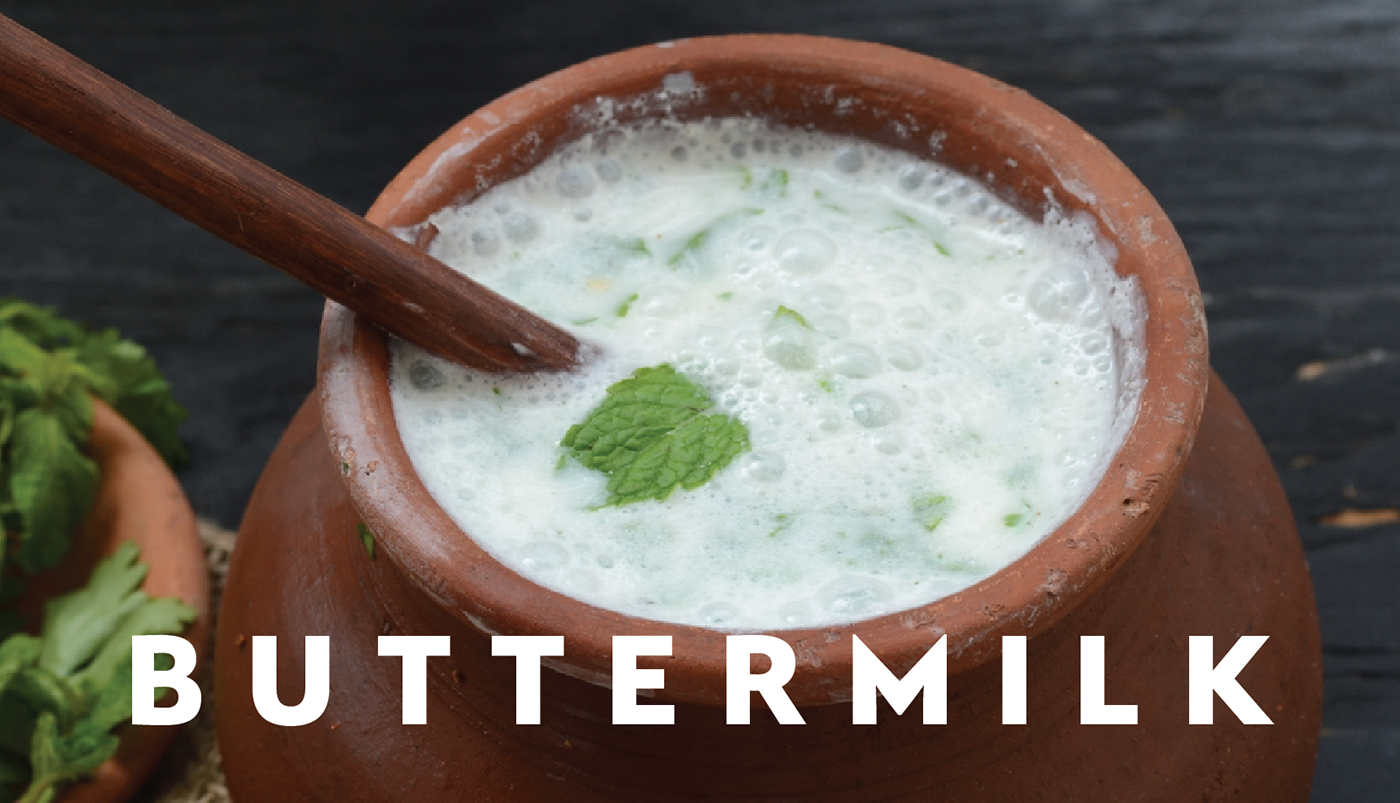
As the sun beats down on the Kathmandu Valley this summer, temperatures in Lalitpur are soaring, pushing locals to find any relief they can from the sweltering heat. While supermarket shelves remain packed with multinational sodas and colorful energy drinks, the streets of Patan, Lagankhel, and Jhamsikhel are witnessing a massive, refreshing counter-movement: the ultimate revival of mohi
Once viewed as a humble, rural comfort drink, mohi has officially claimed its crown as Lalitpur’s favorite summer wellness elixir.
Here is how buttermilk culture is taking over the city this season.
The Pure Antidote to the Summer Heat

In the intense heat of May, the human body naturally craves hydration. While summer fruits like watermelon and muskmelon are highly popular, local wellness habits and Ayurvedic practices heavily favor mohi for its superior digestive benefits and probiotic richness.
Unlike commercial soft drinks loaded with sugar, a cold clay pot of mohi provides instantaneous relief without the subsequent energy crash. It cools the stomach, restores essential electrolytes lost to sweat, and acts as a brilliant, lightweight digestive aid after a heavy, spice-rich Newari meal.
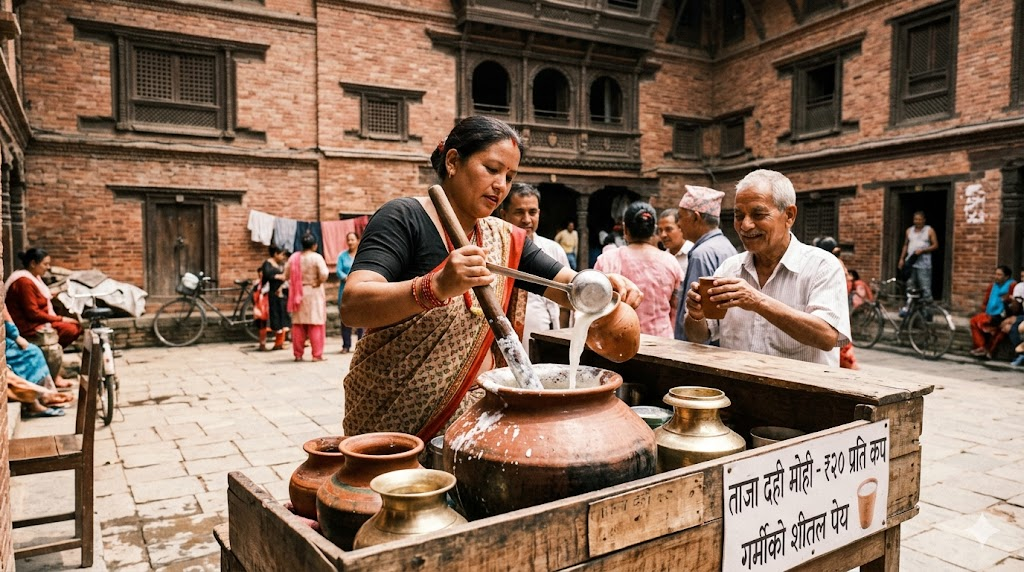
While Bhaktapur is world-famous as the birthplace of Juju Dhau (which translates to “King of Curd” in the Newari language), Lalitpur has a centuries-old love affair with it.Historically, the Newar communities of Lalitpur’s core historic areas (like Patan, Mangal Bazar, and Chyasal) have perfected the art of serving and using this rich, creamy, and slightly sweet curd.Unlike regular plain Dahi, authentic Juju Dhau is made using thick buffalo milk, boiled down with spices like cardamom, sweetened slightly, and set in traditional unglazed clay pots called Kataaro. The clay absorbs the excess moisture, making the curd incredibly thick and rich.
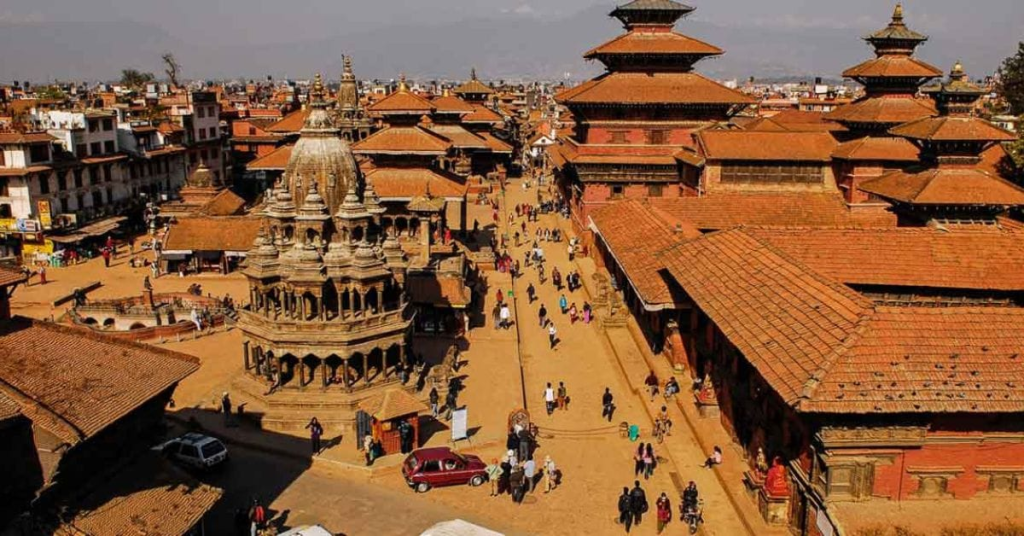
Thank you! It is an absolute privilege to be welcomed to Patan. There is an undeniable magic to this city. Walking through the narrow, brick-paved alleys, passing under the low-hanging wooden doorways, and seeing the morning light hit the golden roofs around Patan Durbar Square is a completely unmatched experience.
It feels like a living museum, where thousands of years of art, metal craftsmanship, and deep-rooted traditions are just casually happening all around you as part of dail life. Nothing beats sitting by a hiti (ancient stone water spout) or finding a quiet courtyard, listening to the morning temple bells, and watching the city wake up while sipping on a cold glass of fresh Mohi or eating some sweet Juju Dhau.